
Product List


Detail
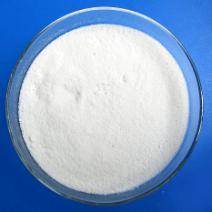
- 1

Chemical Name: Ethylenediaminetetraacetic acid calcium disodium salt hydrate
CAS No.: 23411-34-9
Molecular formula: C10H12N2O8CaNa2·2H2O
Molecular weight: M = 410.13
Appearance: Free flowing white powder
Chelate calcium content: ≥ 99.0% (in C10H12N2O8CaNa2·2H2O meter)
Calcium content: 9.5%
Soluble in water, calcium to chelate state.
Plant Nutrition:
Calcium is one of the essential nutrients for plants, and the calcium content in plants will change with plant growth conditions, species and organs.
One role of calcium is to protect the stability of the cell membrane and the regulation of intracellular enzyme activities, such as stimulating the binding enzyme on the membrane, the ATP enzyme activity on the root cell membrane, the presence of intracellular calmodulin, etc., may be related to this calcium. Another role of calcium is to regulate the balance of anions and cations in cells, and combine with oxalic acid in solution to form calcium oxalate, which has a certain regulatory effect on the pH value and osmotic pressure of cells. Calcium is a structural component of some enzymes, which can enhance the activity of some enzymes after binding with calmodulin, which may be related to the transmission of information between cells.
Calcium is a component of cell membranes and pectin, which plays an important role in the transport of substances in plants. A large part of calcium in plants exists in the cell wall, which can be combined with pectin to calcium gluconate, and can also enhance the structure of the cell wall and regulate the permeability of the cell membrane. In the vacuoles of cells, calcium and anions after neutralization, the change of anion and cation will have a certain regulatory effect. Some plants can form calcium oxalate substances with low solubility in vacuoles, which will have a certain impact on the cell penetration process. Calcium can also promote the formation of soybean cell wall, cell division, root thickening and growth, delay the aging of soybean and so on.
Deficiency:
Calcium deficiency can lead to an increase in cell membrane permeability, and can also cause cross-linking and disintegration of cell walls, resulting in umbilical rot in tomatoes, sweet peppers and watermelons, bitter pox and water heart disease in apples, softening of peach fruit sutures, reduced fruit hardness, and dry heartburn or heart rot in sugarcane and Chinese cabbage, seriously affecting the appearance and internal quality of agricultural products. Calcium deficiency can cause the apical bud, lateral bud, root tip and other meristem tissues of the plant to rot and die. Young leaves curl, leaf margins begin to turn yellow and gradually necrosis, such as cabbage and Geba, etc., there is scorched leaf disease, and the dry heartburn of Chinese cabbage.
Calcium deficiency seriously affects the growth and development of plants. Under low temperature stress, compared with calcium supply treatment, calcium deficiency treatment significantly reduced the content of total soluble protein, heat-stable protein and soluble sugar in the leaves of grafted and self-rooted eggplant seedlings, and the content of soluble calcium and bound calcium also decreased significantly, the contents of total soluble protein, heat-stable protein, soluble sugar, soluble calcium and bound calcium of grafted seedlings were significantly higher than those of self-rooted seedlings. Studies have shown that the change of calcium content is the internal reason for the cold resistance of crops, and calcium plays an important role in enhancing the carbohydrate content of grafted eggplant seedlings and improving the cold resistance of plants.
|
【Last: EDTA-Mg 】
【 Next:EDDHA-Fe 】 【Return】 |